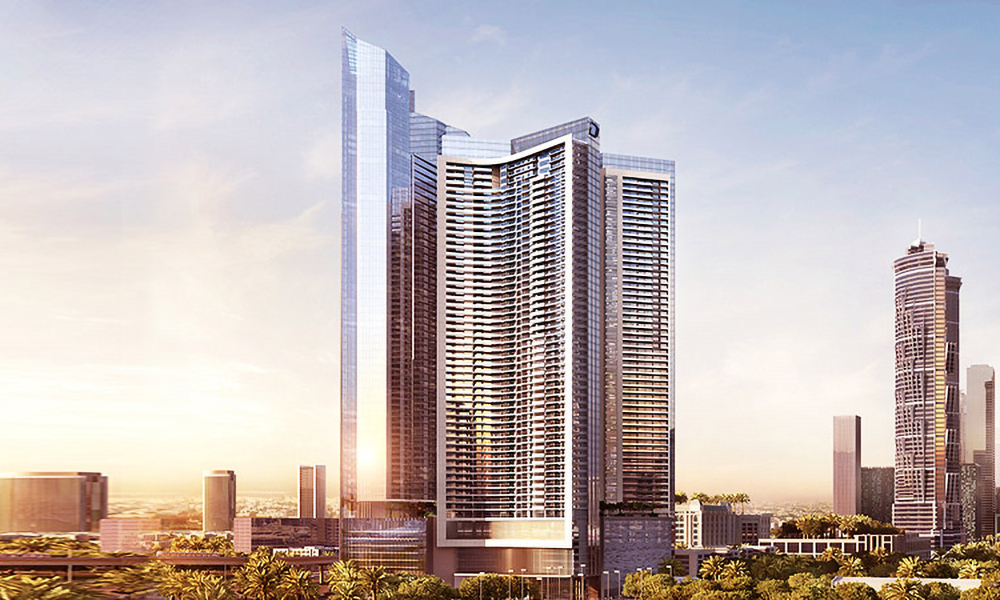
A net-zero house is a structure that consumes only the energy it produces. Reports suggest that the net-zero energy building movement has hit critical mass after being considered a fringe goal for a long time. Net-zero housing has earned its place in the mainstream, and is a combination of many of the topics discussed in the list. For now, Research and Market’s report suggest that the market is registering growth due to the increasing number of initiatives regarding energy efficiency by the government and rising need for net-zero energy buildings to reduce GHG emissions.
Low-impact Construction Materials
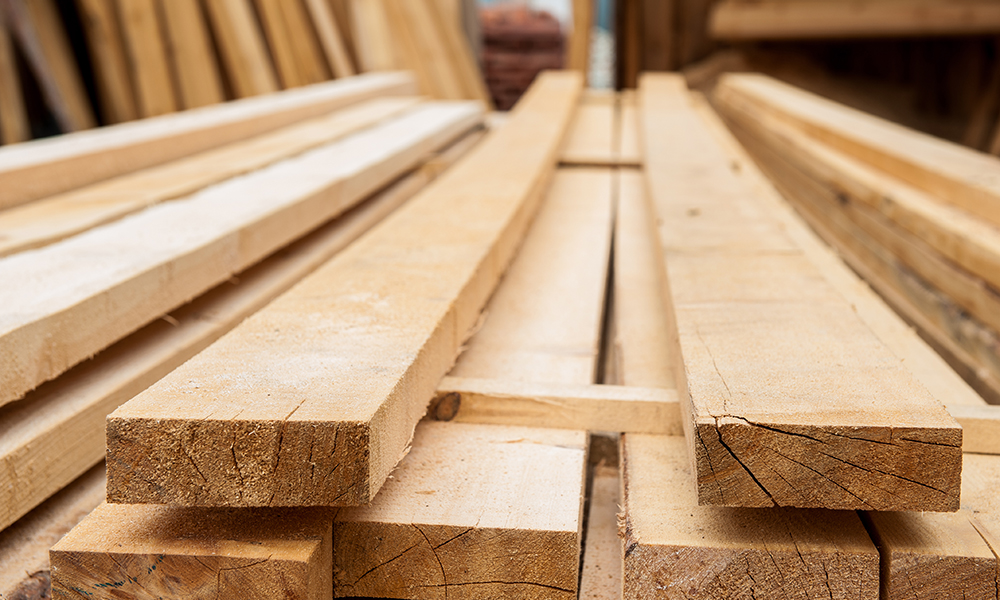
What are low-impact buildings? They are buildings which are constructed from natural materials, which are found on-site or nearby with minimal environmental damage. Ammar Kaka, VP at Heriot-Watt University in Dubai, says the use of low-impact construction materials can go a long way towards minimising the damage caused by construction. These materials can also be recycled or repurposed, and are found to occur naturally and are bio-degradable. Materials such as timber, clay, lime, rammed earth, cob, straw, hemp, and stone are some examples of materials that can minimise the ecological impact. As a general guideline, materials that do not need to be manufactured in a factory or transported over large distances will have the lowest environmental impact, he adds.