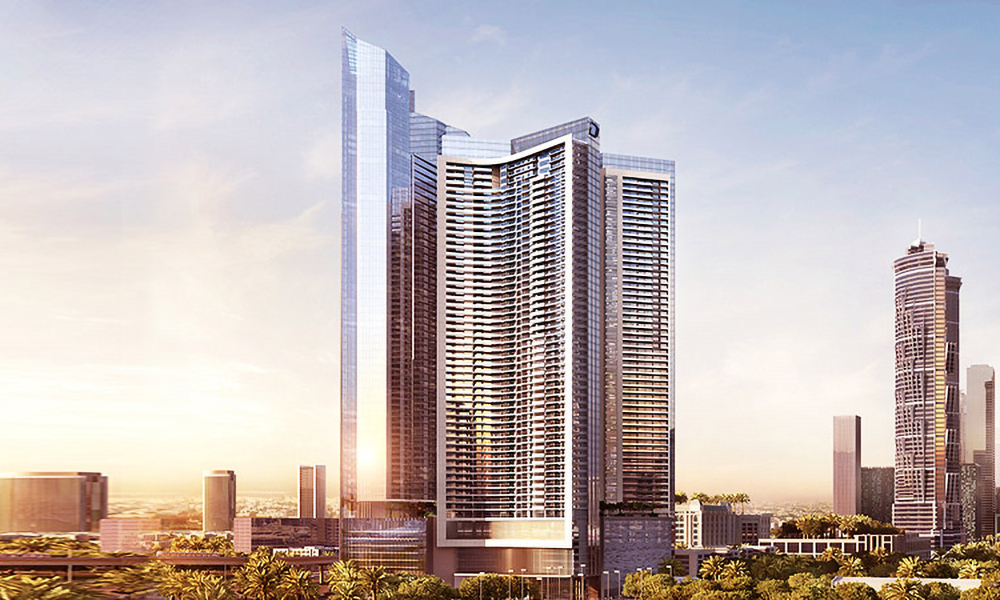
A net-zero house is a structure that consumes only the energy it produces. Reports suggest that the net-zero energy building movement has hit critical mass after being considered a fringe goal for a long time. Net-zero housing has earned its place in the mainstream, and is a combination of many of the topics discussed in the list. For now, Research and Market’s report suggest that the market is registering growth due to the increasing number of initiatives regarding energy efficiency by the government and rising need for net-zero energy buildings to reduce GHG emissions.
Advancements in technology
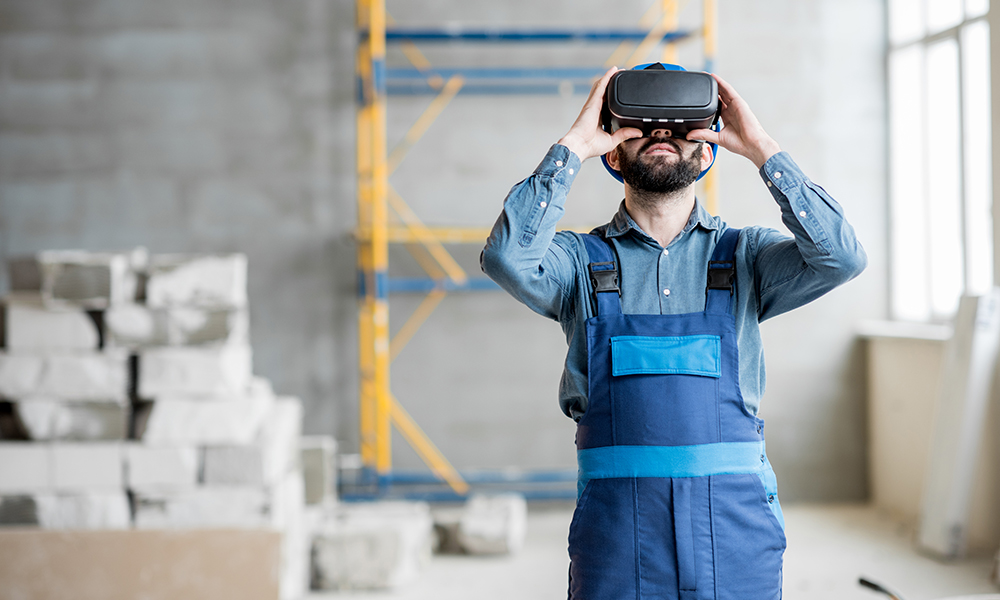
The significant and rapid developments taking place in the digital sector, such as artificial intelligence, robotics, Internet of Things, 3D printing, blockchain are too impactful to be ignored, says Kaka. He adds that this will transform how buildings are constructed and operated to address the new requirements fuelled by urbanisation. Moreover, advancements in technology from product validation, to waste tracking, to stormwater pollution prevention plan reporting, to embodied carbon analysis will aid in greener buildings, and easier compliance and documentation. For instance, 4D BIM allows all the stakeholders to share information on a single platform, allowing contractors and sub-contractors to eliminate last-minute design coordination and rework, ultimately reducing waste.