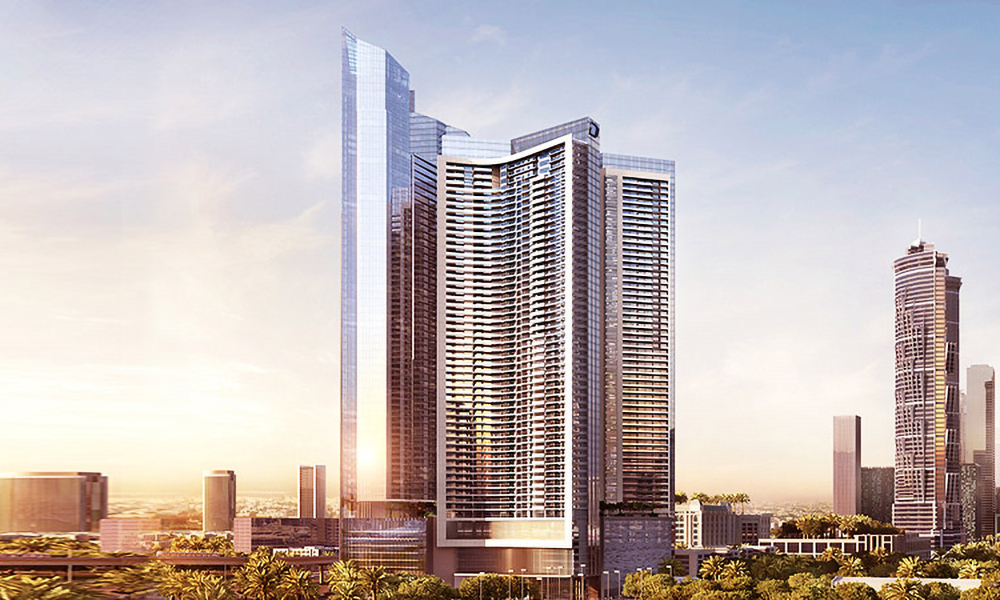
A net-zero house is a structure that consumes only the energy it produces. Reports suggest that the net-zero energy building movement has hit critical mass after being considered a fringe goal for a long time. Net-zero housing has earned its place in the mainstream, and is a combination of many of the topics discussed in the list. For now, Research and Market’s report suggest that the market is registering growth due to the increasing number of initiatives regarding energy efficiency by the government and rising need for net-zero energy buildings to reduce GHG emissions.
Decarbonisation
World Green Building Council (WGBC) states that together, building and construction are responsible for 39% of all carbon emissions in the world, with operation emissions accounting for 28%. Meanwhile, the remaining 11% comes from embodied carbon emissions that are associated with materials and construction processes throughout the whole building cycle. Hence, naturally, decarbonisation must be an on-going trend until countries around the world can positively say that their green-house gas emissions are net-zero. The WGBC states that addressing upfront carbon is therefore crucial to fighting the climate crisis, as new construction is expected to double the worlds building stock by 2060 causing an increase in the carbon emissions occurring right now. The solution is for coordinated action from across the sector to dramatically change the way buildings are designed, built, used, and deconstructed.